
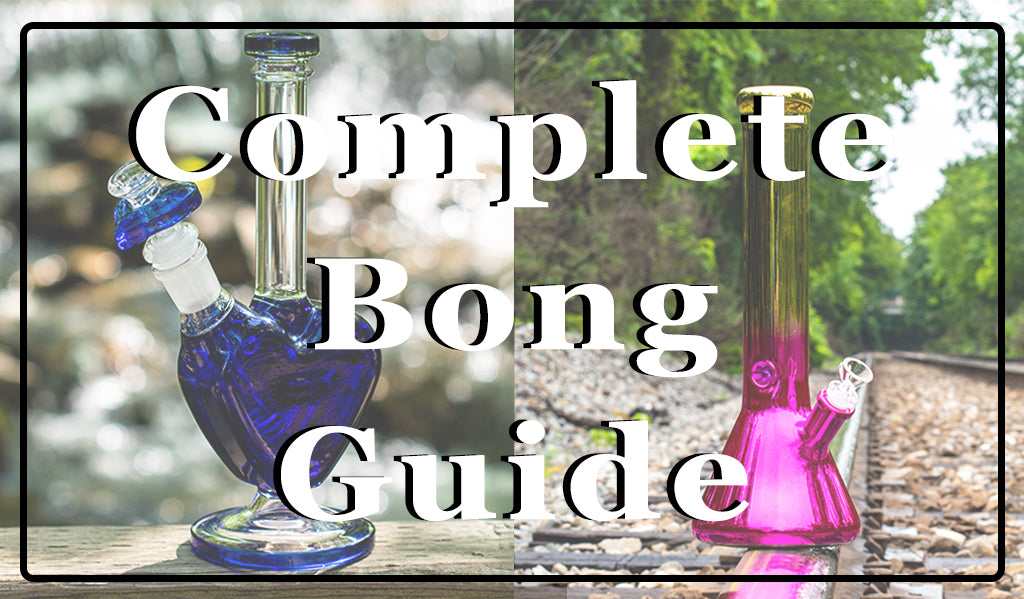
Bongs come in a huge variety of shapes, sizes, materials, and designs. Some are simple and easy to clean, while others include percolators, ice catches, oversized chambers, or compact travel-friendly designs.
In this complete guide, we’ll explain what a bong is, how it works, the different parts and styles, what to consider before buying, how to use and clean one, and how to choose the right bong for your preferences.
If you’re ready to shop, explore our full collection of glass bongs.
What Is a Bong?
A bong is a water pipe designed to pass smoke through water before it reaches the mouthpiece. The water helps cool the smoke and creates the distinctive water-filtered experience bongs are known for.
Bongs are available in many different shapes, colors, sizes, and styles. Some are built around simplicity and easy cleaning, while others focus on advanced filtration, artistic glasswork, or larger chambers.
What Are Bongs Made Of?
Bongs can be made from several materials, including glass, silicone, wood, and other heat-resistant materials.
Borosilicate glass is one of the most common materials used for quality bongs because it is designed to handle heat and gives glassblowers the ability to create a wide variety of functional and decorative designs.
Glass also makes it easy to see the water level and buildup inside the piece, which can make regular maintenance easier.

What Are the Different Parts of a Bong?
Most bongs are built around a few core components: the mouthpiece, neck, base or water chamber, bowl, and often a downstem. Depending on the design, a bong may also include an ice catch or one or more percolators.
Mouthpiece
The mouthpiece is the opening at the top of the bong. Mouthpieces can vary in size, shape, angle, and thickness. A comfortable mouthpiece should feel natural to use and allow you to create a good seal while inhaling.
Neck
The neck connects the water chamber to the mouthpiece. Bong necks can be tall, short, straight, or angled.
Some necks also include an ice catch. An ice catch uses small glass pinches inside the neck to hold ice above the water chamber.
Base and Water Chamber
The base holds the water and provides much of the bong’s stability. Common designs include wide beaker-style bases and narrower straight-tube chambers.
The shape of the base affects how much water the bong holds, how stable the piece feels, and how easy it is to clean.
Percolators
Some bongs include percolators, often called “percs.” These glass structures break smoke into smaller bubbles as it passes through water.
Percolators come in many designs, and different styles can change airflow, resistance, appearance, and cleaning difficulty.
Bong Bowls
Bong bowls are removable pieces that hold the material being used in the bong.
When choosing a replacement bowl, joint size and joint style are important. Common joint sizes include 10mm, 14mm, and 18mm, with 14mm being one of the most widely used sizes.
Bong vs. Glass Pipe: What Is the Difference?
The main difference between a bong and a glass pipe is water filtration.
A dry pipe does not use water and is usually smaller and more portable. A bong uses water and is generally larger, making it better suited for home use.
| Feature | Bong | Glass Pipe |
|---|---|---|
| Water filtration | Yes | No |
| Typical size | Medium to large | Small to medium |
| Portability | Lower | Higher |
| Setup | Requires water | Minimal |
| Best for | Water-filtered sessions | Convenience and portability |

What Makes a Good Bong?
A good bong should combine solid construction, comfortable airflow, stability, and a design that fits the way you plan to use it.
Some of the most important things to consider include:
- Glass thickness: Thicker glass can provide a more substantial feel and greater durability.
- Base stability: Wider bases are generally harder to knock over.
- Size: Smaller bongs are easier to store and move, while larger bongs provide more chamber volume.
- Ease of cleaning: Simple designs are generally easier to maintain than pieces with multiple chambers or tight bends.
- Joint size: Make sure replacement bowls, downstems, and accessories are compatible.
- Percolators: Consider whether you want additional diffusion and whether you’re comfortable with the additional cleaning.
- Design: Choose something you actually enjoy owning and displaying.
Why Choose a Bong?
Bongs remain popular because they combine water filtration with a wide range of sizes, designs, and features.
You can choose a simple beaker-style piece for easy maintenance, a scientific bong with added filtration, a larger statement piece, or a compact mini bong for smaller spaces.
The variety of available styles makes it possible to find a bong that fits both your practical needs and your personal taste.
What Are the Different Types of Bongs?
There are many different bong styles available. The right choice depends on your preferred size, airflow, features, and design.
Scientific Bongs
Scientific bongs usually focus on function and filtration. These pieces often feature percolators, reinforced joints, and laboratory-inspired designs.
They are a good option for shoppers who prioritize airflow and functionality over decorative styling.
Large Bongs
Large bongs offer more chamber volume and a dramatic appearance.
They can be great statement pieces, but they require more storage space and are generally less portable than smaller designs.
Mini Bongs
Mini bongs provide the basic function of a full-size bong in a more compact package.
They are a strong option for smaller spaces, easier storage, or anyone who prefers a more portable water pipe.
How Do You Choose the Right Bong?
Start by thinking about where the bong will be used most often and which features actually matter to you.
If easy cleaning is your priority, choose a simple design with a straightforward chamber. If portability matters more, a mini bong may be the better choice. If you want more filtration and don’t mind extra cleaning, a scientific bong with one or more percolators may be appealing.
Also consider:
- How much space you have
- Whether you want an ice catch
- How easy replacement bowls and accessories are to find
- Your preferred joint size
- Whether you prefer a simple or highly detailed design
- Your budget
The best bong is the one that matches how you actually plan to use it.
How Do You Use a Bong?
Using a bong typically involves a few basic steps.
- Add enough water to cover the end of the downstem or the active openings of the percolator.
- Insert the bowl securely into the joint.
- Load the bowl without packing it so tightly that airflow becomes restricted.
- Inhale through the mouthpiece while applying heat to the bowl.
- When ready, remove the bowl and continue inhaling to clear the chamber.
Bong designs vary, so the ideal water level and airflow can differ from piece to piece.
How Much Water Should You Put in a Bong?
Start by adding enough water to cover the end of the downstem or the openings in the bong’s percolator.
Take a test pull without using the bowl. If airflow feels comfortable and water does not splash into the mouthpiece, the water level is probably close to where it should be.
If the pull feels too restricted, try removing a small amount of water. If the downstem or percolator is not fully submerged, add a little more.
How Much Does a Good Bong Cost?
Bong prices can vary widely depending on size, glass thickness, design, brand, complexity, and added features.
Many functional glass bongs fall somewhere between roughly $30 and $300, although highly artistic or specialty pieces can cost considerably more.
Rather than focusing only on price, compare construction, ease of cleaning, stability, joint compatibility, and the features you actually want.
How Do You Clean a Bong?
Regular cleaning helps prevent residue buildup and keeps airflow clear.
A common cleaning method uses isopropyl alcohol and coarse salt. Empty the bong, rinse it with warm water, add alcohol and salt, then carefully shake the piece while covering the openings.
After the buildup loosens, rinse thoroughly and allow the bong to dry completely.
You can also explore dedicated bong cleaning products designed specifically for glass pieces.
Bong FAQs
Can You Buy Bongs Online?
Online retailers sell bongs and water pipes in many areas. Buyers should always follow the laws and age requirements that apply where they live.
Fat Buddha Glass offers a large selection of bongs and water pipes online.
How Often Should You Change Bong Water?
Fresh water helps prevent odors and residue buildup. Changing the water regularly also makes routine cleaning easier.
How Do You Get Rid of Bong Water Smell?
Empty the old water, rinse the bong, and clean the glass thoroughly. For heavier residue, use isopropyl alcohol or a dedicated bong cleaner.
Can You Use Nail Polish Remover to Clean a Bong?
A dedicated glass cleaner or isopropyl alcohol is generally a better option. Whatever cleaning method you use, rinse the piece thoroughly and allow it to dry completely before use.
What Should You Do If a Bong Stem Breaks?
If a removable downstem or bowl breaks, replacement is usually the safest and simplest option. Before purchasing a replacement, confirm the joint size and length needed for your bong.
How Are Glass Bongs Made?
Glass bongs are shaped by glassworkers using heated glass and specialized tools. Different parts of the piece may be formed separately and then joined together as the glass is heated and shaped.
More complex bongs can require additional steps to create percolators, reinforced joints, colored sections, or decorative elements.
What Size Bong Is Best for Beginners?
A medium-size bong with a simple chamber is often easier to use, clean, and store than a very large or highly complex piece.
Beginners may also prefer designs with fewer internal chambers so routine maintenance stays simple.
What Makes a Bong Easy to Clean?
Simple chambers, fewer tight bends, removable components, and easy access to the inside of the piece all make cleaning easier.
Highly complex percolators can provide additional diffusion but usually require more cleaning effort.
Are Mini Bongs Used Differently?
Mini bongs generally work the same way as larger bongs. The main differences are their smaller chamber size, reduced water capacity, and compact dimensions.
Find the Right Bong at Fat Buddha Glass
There is no single bong that is perfect for everyone. Some shoppers prioritize easy cleaning, while others want additional filtration, a compact size, a large chamber, or a particular glass design.
Fat Buddha Glass offers a wide selection of glass bongs and water pipes across different styles, sizes, and price ranges.
If you need help choosing a piece, our customer service team is happy to answer questions and help you compare options.
Visit Fat Buddha Glass to explore more smoking accessories and glass.